The Regions
From the royal palaces of Khaplu to the "Land of Giants" in Deosai. Explore the diverse valleys of Gilgit-Baltistan.
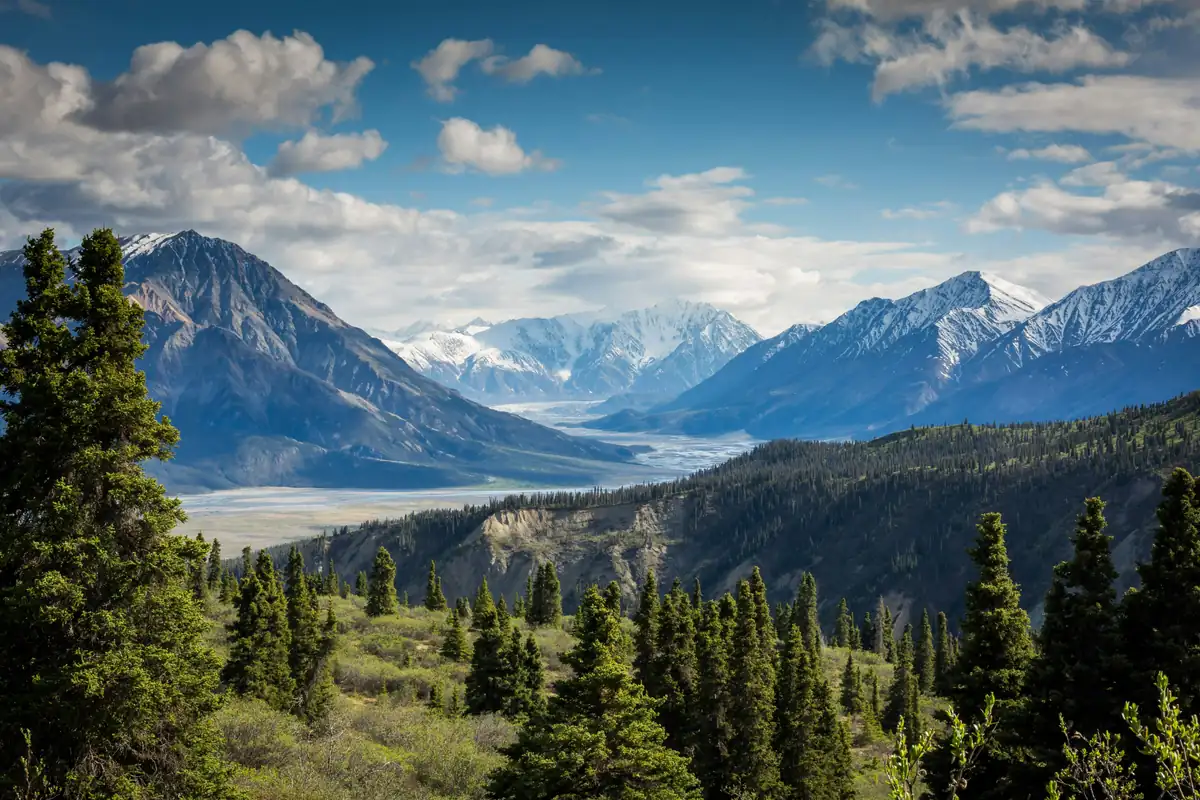
Skardu: Gateway to the Giants
Perched at 2,500m, Skardu is the spiritual and logistical capital of the Karakoram. It is the mandatory starting point for every expedition to K2, Broad Peak, and the Gasherbrums.
- Shigar Fort: Known as "Fong Khar" (Palace on the Rock), this 17th-century masterpiece is a fusion of Tibetan and Mughal architecture.
- Satpara Lake: A glacial reservoir of turquoise water that provides the lifeblood for the entire Skardu valley.
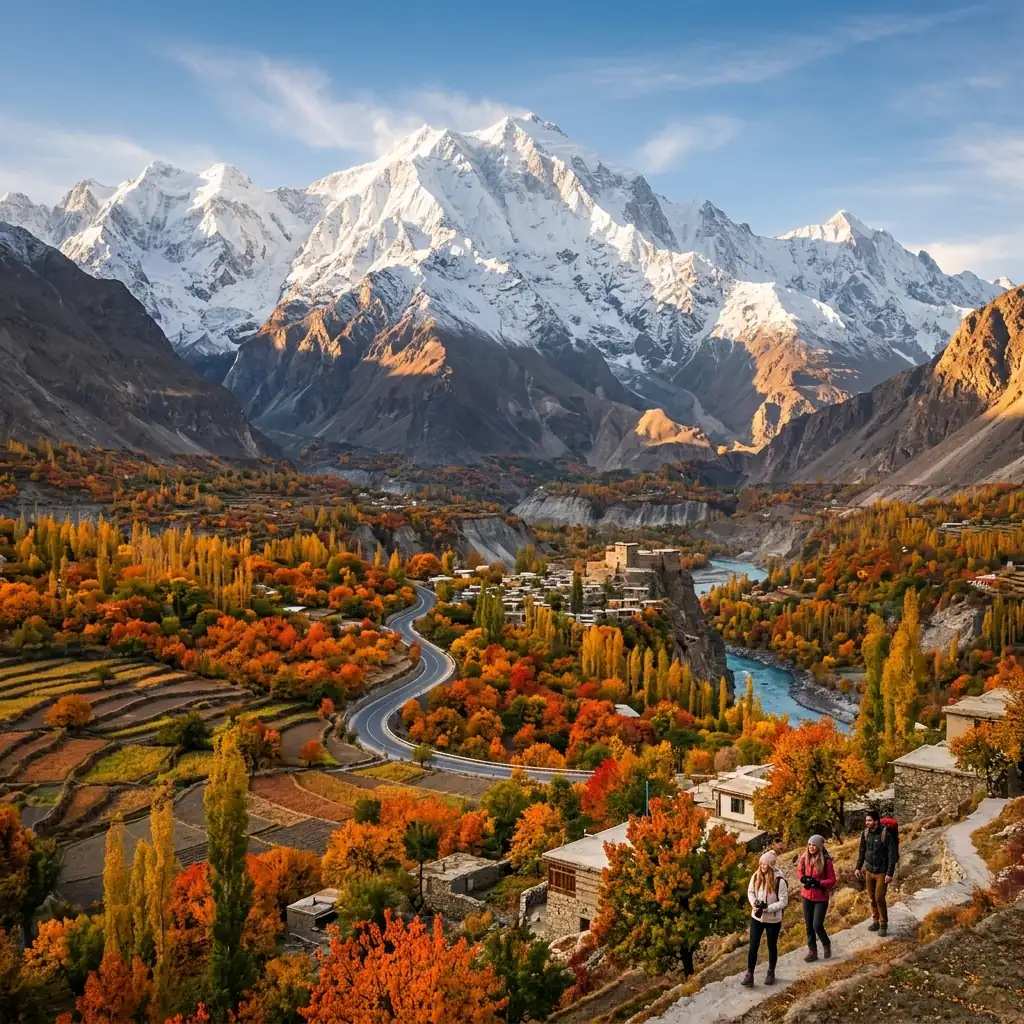
Hunza: Legend of Longevity
Along the ancient Silk Road lies the Hunza Valley, a land of deep history and vibrant Ismaili culture. It is home to people celebrated globally for their hospitality and longevity.
- Baltit & Altit Forts: Ancient royal seats that have stood for nearly a millennium, guarding the valley from their rocky perches.
- Attabad Lake: A vibrant turquoise lake formed by a massive landslide in 2010, now a centerpiece of Northern Pakistan's beauty.
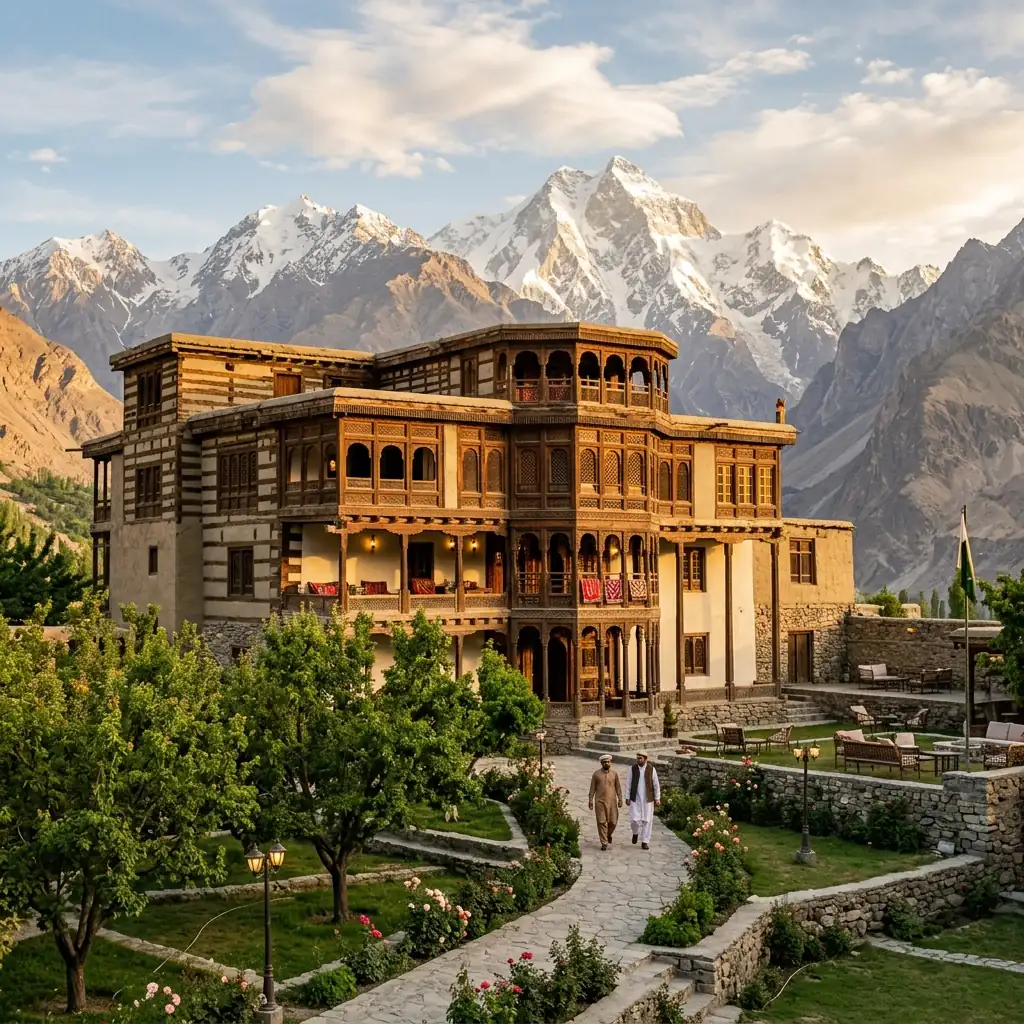
Khaplu: The Valley of Kings
Known as "Little Tibet," Khaplu is the most peaceful corner of Baltistan. Its architecture and customs are deeply tied to the ancient traditions of Ladakh and Tibet.
- Chaqchan Mosque: Built in 1370, it is one of the oldest mosques in South Asia, featuring a unique Tibetan-style wooden structure.
- Khaplu Palace: A meticulously restored 19th-century royal residence that now serves as the pinnacle of heritage luxury in Pakistan.
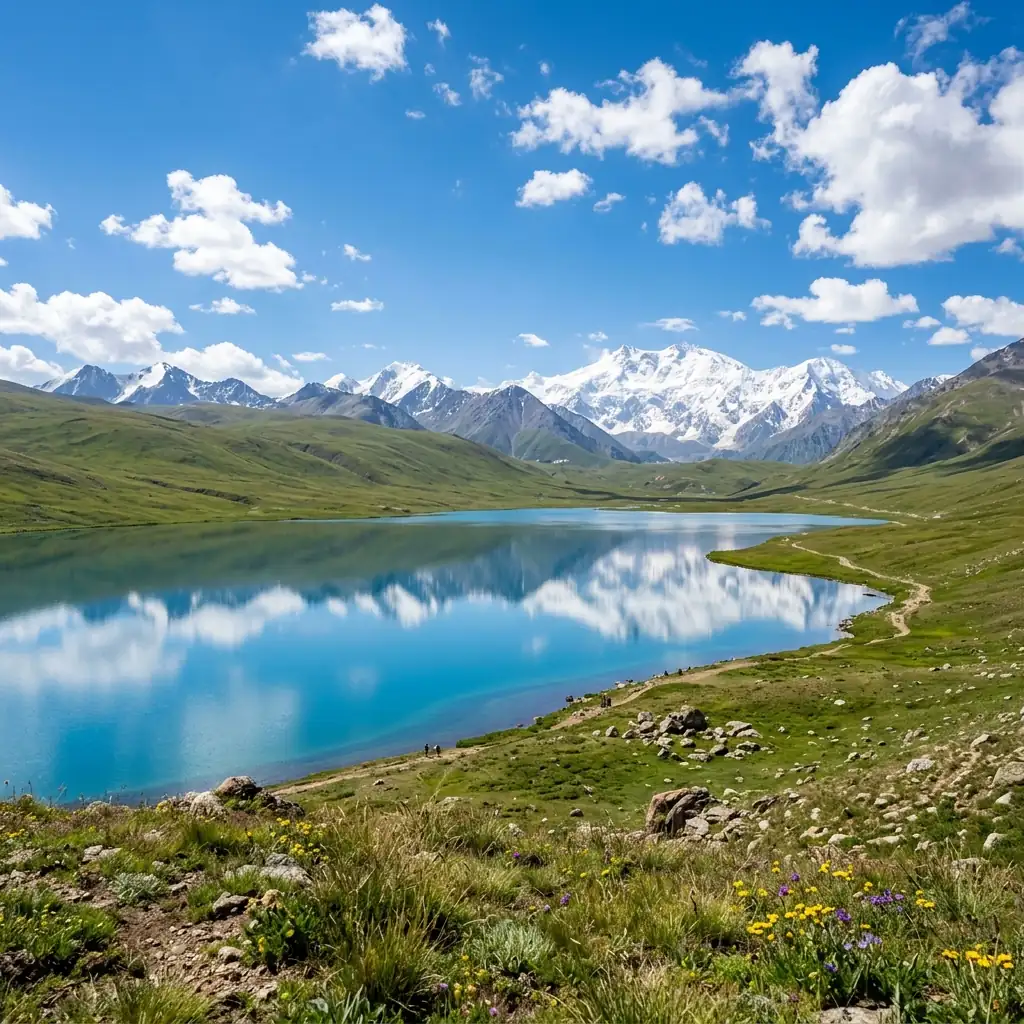
Deosai: The High Plateau
At an average altitude of 4,114m, Deosai is the second-highest plateau in the world. In summer, these "Roof of the World" plains are covered in millions of wildflowers and clear blue lakes.
- Sheosar Lake: One of the highest lakes in the world, reflecting the snow-capped Himalayan peaks in its mirror-like surface.
- Himalayan Brown Bear: Deosai is the last major sanctuary for these majestic, endangered giants.